
No overselling, no guesswork — just a Furnace Repair crew that diagnoses it right the first time. Emergency dispatch available across Columbus and the surrounding zip codes.
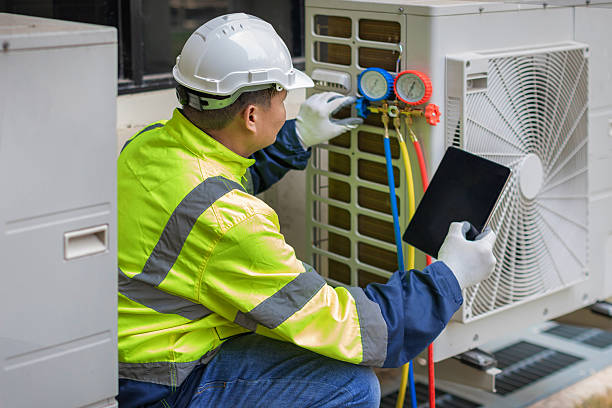
Our Columbus dispatcher asks a few quick questions to gauge urgency and get you the fastest available window.
A licensed technician arrives, runs a full diagnostic, and explains exactly what's wrong in plain language.
Most repairs are completed same-visit, and we test the system before we leave to confirm it's actually holding.
Leonard HVAC grew one honest service call at a time in communities like Columbus. Our crews carry manufacturer certifications across the major residential and commercial equipment lines.
We're not interested in being the cheapest quote on the page — we're the crew that answers the phone at 2am when your furnace quits in the middle of a cold snap. Licensing and insurance aren't optional line items for us, and we keep that documentation available on request for every job, routine or emergency.
Being local matters more than most companies let on. That local knowledge shapes how we diagnose problems — it's the difference between a tech who's guessing and a tech who's seen your exact situation a hundred times before.
Too many homeowners in Columbus have a story about a tech who showed up late, quoted one price, and charged another. That's the gap we built Leonard HVAC to close. We'd rather lose a job to a lower bid than win one by cutting corners on the diagnosis, because a customer who trusts us once tends to call us again — and Columbus is a small enough community that reputation travels fast.
That local context saves time on every call, because we're not starting from zero on basic questions about your neighborhood or your system. We keep parts inventory stocked based on what actually fails most often on Columbus's housing stock.
Whether it's a mid-summer breakdown or a planned system replacement, our Columbus techs handle it with the same level of care.
A dead system in the middle of a heat wave or a cold snap isn't just inconvenient — it can be a real safety issue for kids, pets, and older residents. Our Columbus dispatch team moves emergency tickets to the front of the schedule so a technician is diagnosing your system as fast as physically possible.
We keep the truck stocked with the parts that fail most often on the equipment common to Columbus homes, which is exactly why most repairs don't require a return visit.
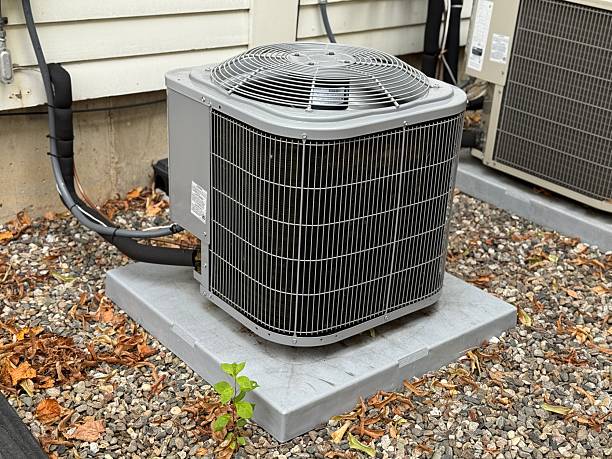
Not every repair call ends in a repair — sometimes the honest recommendation is a properly sized replacement. We walk Columbus homeowners through load calculations so the new system is sized correctly for the actual square footage before a single piece of equipment gets ordered.
Every install ends with a performance test, confirming airflow, temperature split, and refrigerant charge are all where they should be before we consider the job finished.
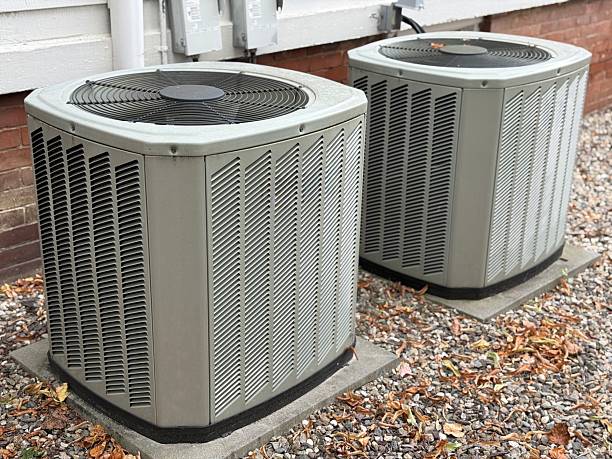
Commercial equipment operates differently than a residential unit, and it needs technicians who actually understand rooftop packages and multi-zone systems. Our commercial division services rooftop units and package systems across Columbus, with priority response for facilities that can't afford downtime.
We understand that a commercial call isn't just about comfort, it's about keeping a business open.
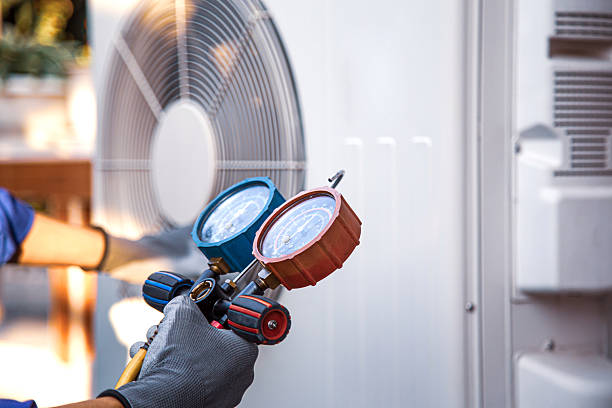
A seasonal tune-up catches the kind of wear that turns into a mid-summer no-cool call. Beyond standard tune-ups, we also handle duct cleaning and sealing to stop conditioned air from leaking into attics and crawlspaces for Columbus households that want more than just temperature control.
A tune-up typically takes under an hour and covers the checkpoints most likely to catch a problem before it becomes a breakdown.
Guarantees only mean something if a company actually honors them, so here's exactly what ours covers.
Details vary by job type and are always shared upfront, never buried in fine print.
Emergency dispatch never comes with a hidden surcharge sprung on you after the fact.
If anything feels off after we leave, one call gets a tech back to your Columbus address.
Most breakdowns don't happen without warning — they announce themselves for weeks before the system actually quits.
A healthy system runs with a consistent, low hum — banging, screeching, or grinding usually points to a loose part or failing motor.
If some rooms stay hot or cold no matter what the thermostat says, the system may be struggling to distribute air evenly.
A tune-up often identifies exactly what's driving the extra energy use.
This is one of the warning signs we recommend not waiting on.
A burning smell should never be ignored — it can indicate an electrical issue that needs immediate attention.
Repeated repairs on an aging system are usually the clearest sign that replacement will save more money than another patch job.
No inflated "emergency surcharge" games — the number we quote is the number you pay.
Dispatchers give you a realistic arrival window instead of a vague "sometime today".
Parts and labor are backed by warranty terms explained in plain language.
We run background checks because you're letting someone into your home.
We explain what failed, why it failed, and what the options are.
We'll walk you through what's actually available before you decide.
Every review below reflects an actual service call in the Columbus area.
"I called three other companies first and this was the only one that actually picked up. Fixed on the first visit and explained everything in terms I could actually understand."
"Signed up for the annual plan after our first repair and it's paid for itself already. Never once felt like I was being upsold on something I didn't need."
"They handled the whole install in a single day, exactly like they said they would. Would recommend to anyone in Columbus needing a real replacement, not a patch job."
"Our restaurant's rooftop unit went down on a Friday night and they had someone out fast. Now our go-to for every property in the portfolio."
"I appreciated that they didn't try to sell me a bigger unit than I needed. Installation crew was in and out in a day and left the space cleaner than they found it."
"The tech walked me through what he was checking as he went, which I really appreciated. No overnight surcharge shock — the price matched what dispatch quoted me on the phone."
Understanding what typically fails helps homeowners know what to watch for and when a repair call is worth making before things get worse.
The shift between peak heating and peak cooling demand is exactly when older or neglected equipment tends to fail. Filters should be checked monthly during heavy-use seasons and replaced roughly every 60-90 days depending on your household and any pets.
Setting a programmable or smart thermostat to a consistent schedule reduces the number of times the system has to work hard to catch up to a big temperature swing. None of this replaces a professional tune-up, but it does reduce the wear that leads to premature breakdowns between visits.
Our technicians train across the major residential and commercial equipment lines, so you're not limited to a single brand's service network. If your system was installed by a different company entirely, that's not a problem — we service equipment regardless of who originally put it in, and we'll pull the model and serial information to confirm parts compatibility before any repair begins.
Every tech on our Columbus roster goes through background checks, licensing verification, and ongoing manufacturer training.
Manufacturer-certified across multiple major residential equipment lines.
Keeps the emergency truck stocked based on what actually fails most often locally.
Experienced with the light industrial and retail equipment common across the area.
For emergency no-heat or no-cool calls, we prioritize dispatch and aim to have a technician on-site the same day, often within a couple of hours.
Our policy is simple: you approve the number before we touch the system.
We staff after-hours dispatch specifically because HVAC failures rarely happen on a convenient schedule.
Every technician we send is licensed in accordance with Columbus, MT requirements and carries full liability coverage.
As a general guideline, if a system is past 12-15 years old and facing a costly repair, replacement often makes more financial sense.
Ask your technician about current plan pricing during any service call.
Our dispatch area extends throughout the greater Columbus region and nearby towns within Columbus, MT.
Property managers and business owners can request a dedicated point of contact for ongoing service.
Our technicians are trained across the major residential and commercial equipment lines, not limited to a single manufacturer.
Ask about financing during your in-home estimate to see what fits your situation.
Twice-yearly maintenance is the standard we recommend given the temperature swings the area sees.
If you smell gas or burning, shut off the system at the breaker and step outside, then call us immediately.
Our pricing is explained clearly before dispatch, and any after-hours consideration is communicated upfront — never as a surprise on the final invoice.
Most standard repairs are completed in under two hours once the technician has diagnosed the issue and you've approved the quote.
Let dispatch know ahead of time if access will be handled differently than a standard homeowner visit.
Our technicians are familiar with both, which means less time spent figuring out your specific setup and more time actually fixing the problem.
We also work regularly with homeowners associations, property management companies, and multi-unit buildings throughout Columbus.
A full system replacement is one of the bigger home expenses most people face, and we don't expect everyone to pay it in a single lump sum. If a rebate or local incentive program applies to your Columbus installation, our technicians will flag it during the estimate rather than leaving you to track it down after the fact.
If your address falls within Columbus, MT and near Columbus, there's a strong chance we already service your street.
If you're on the edge of our listed zip codes, it's still worth a call, since routes and coverage get adjusted as demand shifts.
